Istanbul is a city of seventeen million people, four thousand years of history, and an energy that can feel, at its most intense, like standing inside a living thing. For a patient in recovery, that energy is not always what the body needs.
But Istanbul is also, beneath its surface intensity, a city of extraordinary quietness — if you know where to find it. Neighbourhoods that feel removed from the noise. Shorelines that slow the pace of everything. Villages that exist, improbably, within the boundaries of one of the world’s largest cities.
This article is for the patient who wants to know not just that Istanbul is beautiful — but which parts of it are right for them, at the particular pace that recovery requires.
A note before we begin: where you stay should always be discussed with your medical provider, who will have specific recommendations based on your procedure and recovery requirements. What follows is an insider’s perspective on the areas of Istanbul that have, over time, proved most suited to patients who need rest, calm, and a city that does not demand too much of them.
The Bosphorus Line — Where Recovery Begins
Arnavutköy — Bebek — Yeniköy
If there is one experience in Istanbul that is almost universally recommended for patients in recovery — regardless of what procedure they have undergone — it is walking along the Bosphorus.
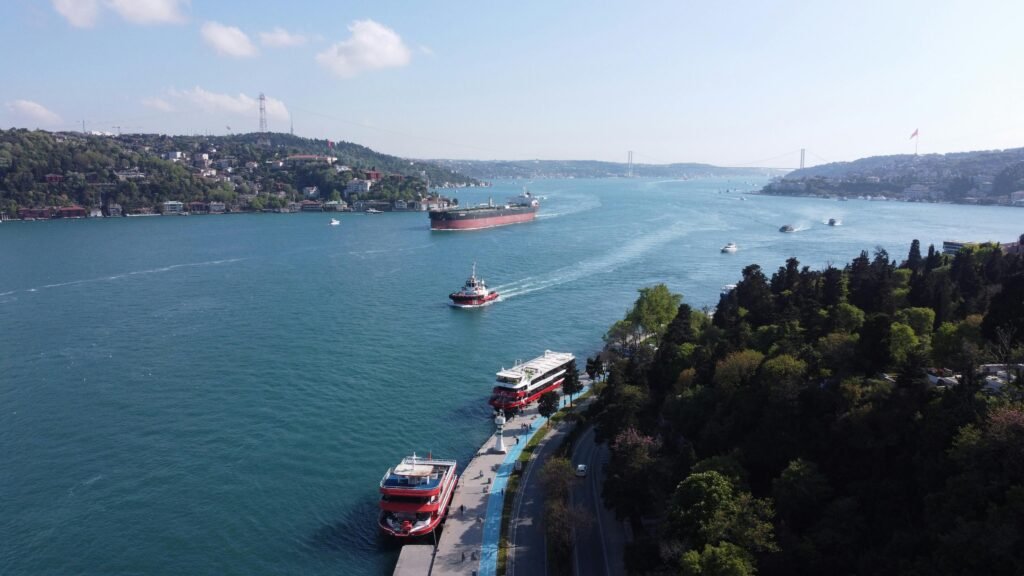
The Bosphorus shoreline between Arnavutköy, Bebek, and Yeniköy offers something that is genuinely rare in Istanbul: a flat, continuous, visually calming walk that can be taken at any pace, for any distance, with the water always alongside. There are no hills to navigate, no crowds to push through, no decisions to make about where to turn. The path follows the water, and the water carries the eye outward — to the ships, to the opposite shore, to the horizon where Europe and Asia meet.
The neighbourhoods along this stretch are among Istanbul’s most quietly beautiful. Arnavutköy is a village of wooden yalı houses and fish restaurants that has somehow survived the city’s growth largely intact. Bebek is elegant and residential, with a promenade of cafés and a bay that collects the afternoon light in a way that makes it difficult to leave. Yeniköy is quieter still — a neighbourhood where old money and old trees create a stillness that feels deliberately preserved.
The restaurants and cafés along this stretch are among the finest in Istanbul. Not the loudest or the most fashionable — but the most consistently excellent. For a patient who needs to eat well, eat calmly, and eat without the sense of being in the middle of something overwhelming, the Bosphorus line offers exactly that.
Walking along the Bosphorus is one of the few experiences in Istanbul that heals without trying to. The water does the work. The patient simply walks.
Nişantaşı — Calm, Central and Considered
For patients who need to remain close to the European side’s medical facilities while avoiding the intensity of the city’s historic and tourist districts, Nişantaşı is the natural choice.
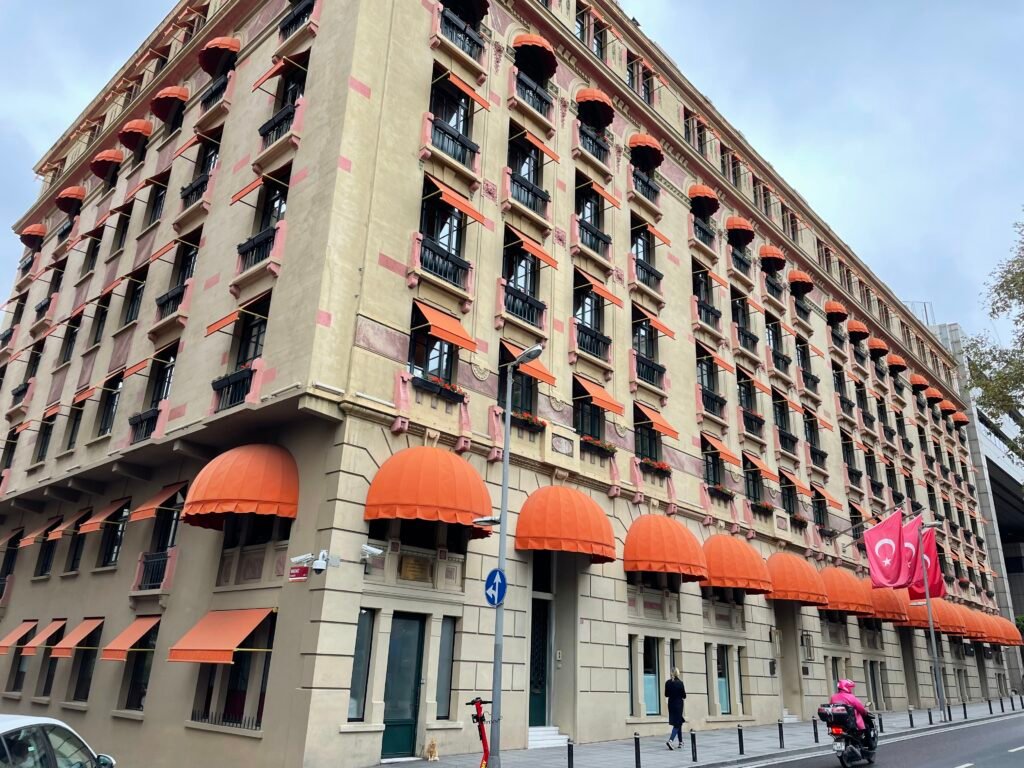
It is a neighbourhood of wide, tree-lined streets, international-standard hotels, and a rhythm that is urban without being chaotic. The shops are good — high-end but not ostentatious. The restaurants are excellent — a mix of Turkish and international options that cater to discerning tastes without demanding anything of the person eating in them. The pace is controlled. The noise is manageable.
Nişantaşı is the neighbourhood that Istanbul’s professionals call home, and it has the infrastructure to match. Pharmacies, private clinics, high-quality supermarkets, reliable transport connections — everything a recovering patient might need is available without requiring significant effort to find.
It is not the most atmospheric of Istanbul’s neighbourhoods — it does not have the ancient layers of Sultanahmet or the bohemian energy of Beyoğlu. But atmosphere is not always what recovery requires. Sometimes what recovery requires is simply a place that works well — and Nişantaşı works exceptionally well.
Moda, Kadıköy — Space to Breathe on the Asian Side
Istanbul’s Asian side is, for many international patients, an unexplored territory. The instinct is to stay on the European side, close to the clinics, close to the familiar. But for patients whose recovery allows a little more freedom — and who are looking for something that feels genuinely different — Moda offers something rare.
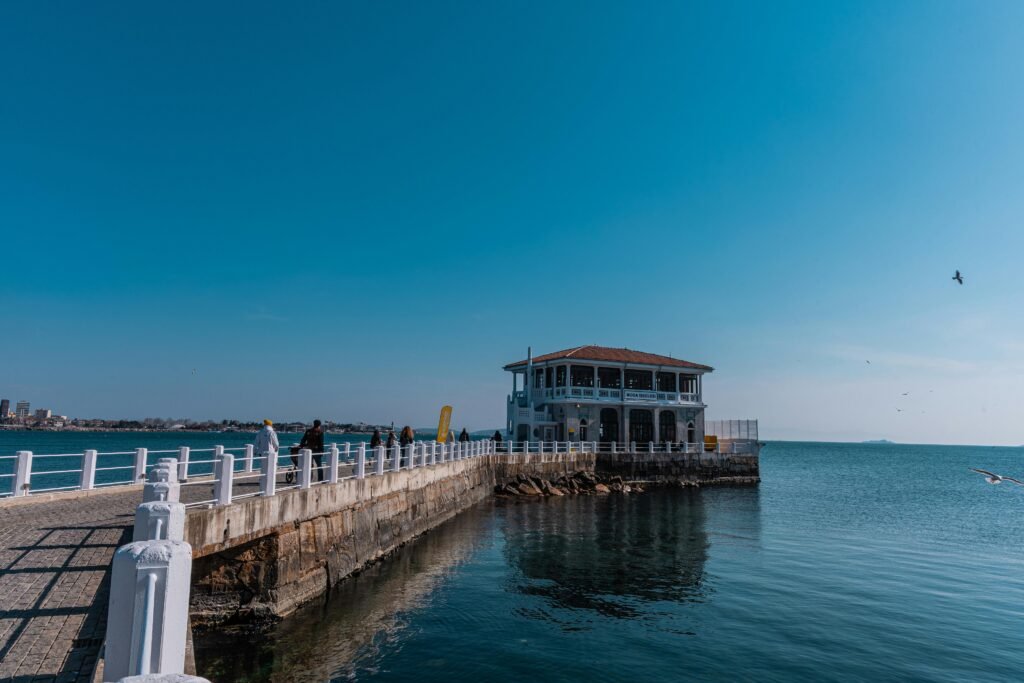
Moda is a neighbourhood in Kadıköy that sits on a small peninsula jutting into the Sea of Marmara. It is quiet in the way that only waterside places can be quiet — with the particular stillness that comes from having water on multiple sides and a residential neighbourhood that has not been invaded by tourism. The streets are lined with cafés, independent bookshops, and small restaurants. The waterfront is accessible and unhurried.
Recovery in Moda feels less like waiting and more like quiet living by the sea. The pace is different from the European side — slower, more local, less performative. Patients who choose Moda often say that they felt less like visitors and more like temporary residents of a neighbourhood that was simply going about its life around them. For a patient whose recovery requires genuine rest of the mind as well as the body, that distinction matters.
The ferry connection to the European side is frequent and beautiful — crossing the Bosphorus twice a day for a clinic appointment is not an inconvenience. It is, for most patients, one of the highlights of the trip.
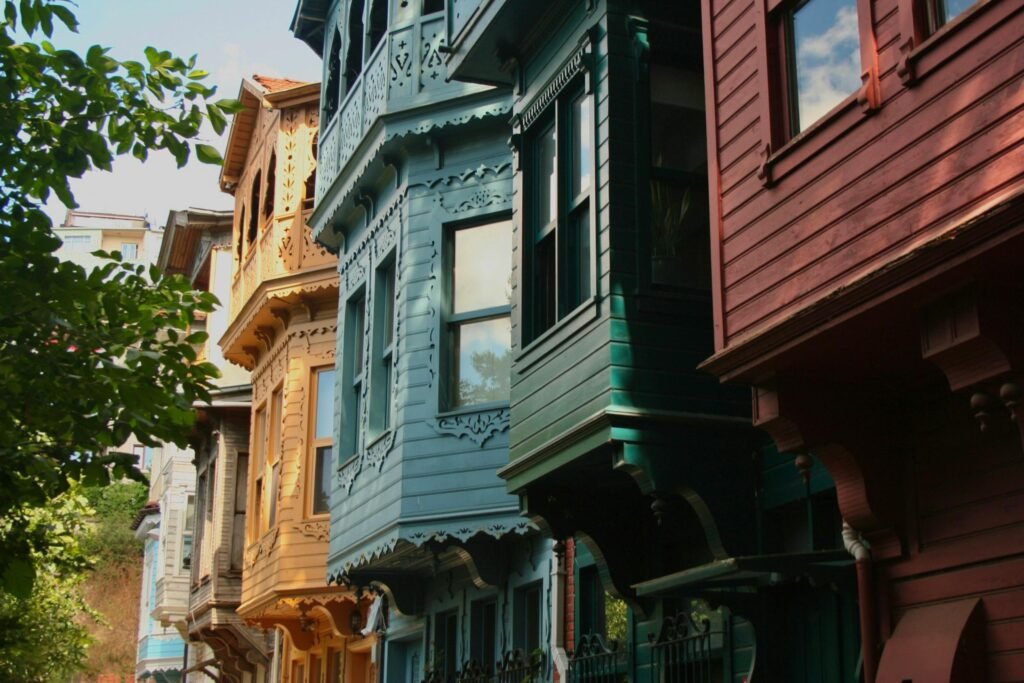
Kuzguncuk — A Village Inside the City
There are places in Istanbul where the city seems to hold its breath. Kuzguncuk is one of them.
Tucked between the Bosphorus and the hills above it, Kuzguncuk is a neighbourhood that has maintained the character of a village long after the city grew around it. Its streets are narrow and quiet. Its houses are old and colourful. Its handful of cafés and small restaurants are the kind of places where the same people come every day and where newcomers are welcomed without ceremony.
For a patient who needs less stimulation rather than more — who wants to sit with a glass of tea and watch the water and think about nothing in particular — Kuzguncuk provides a mental ease that the busier parts of Istanbul cannot. There is less noise here. Less movement. Less of the sense that something important is happening somewhere else that you are missing.
It is not practical for very short stays, or for patients who need frequent access to clinical facilities. But for patients who have the time and the freedom to spend a few days somewhere that feels genuinely removed from the pace of the world, Kuzguncuk is unlike anywhere else in Istanbul.
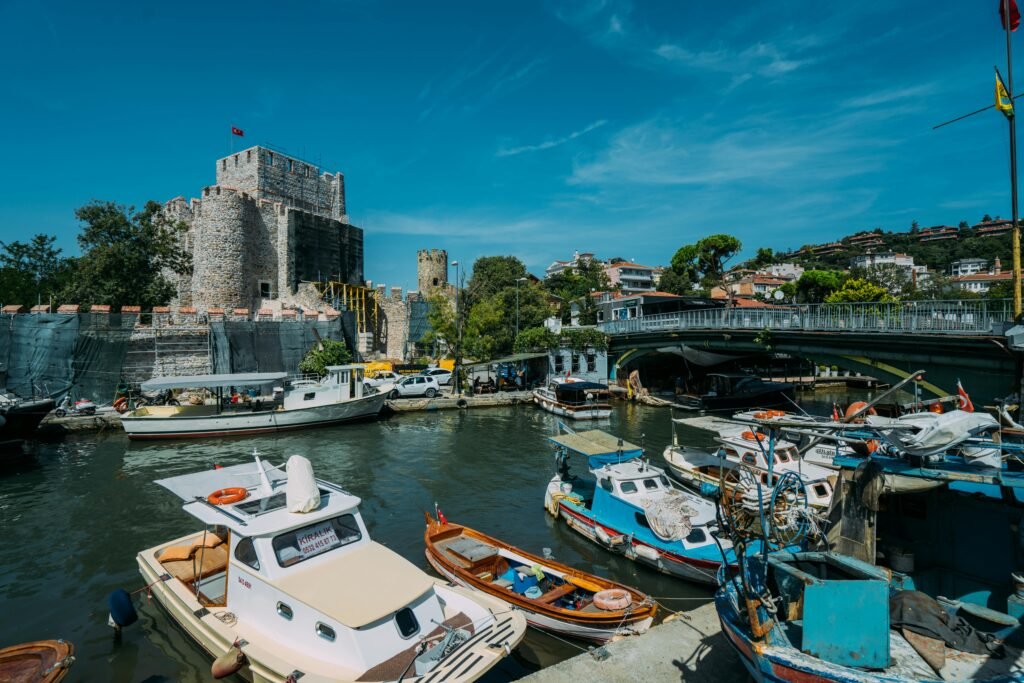
Beykoz — For Those Who Need Complete Disconnection
At the northern end of the Bosphorus on the Asian side, where the city finally gives way to forests and the shoreline becomes wild and green, lies Beykoz. It is the choice for patients who prioritise silence above all else.
Beykoz is low-density and residential in a way that few parts of Istanbul are. Its surroundings are forested. Its views — of the Bosphorus at its widest, and of hills covered in trees that seem to go on indefinitely — are panoramic and calming in a way that is different in kind from the urban beauty of the Bosphorus line closer to the centre.
Patients who choose Beykoz are almost always those who know exactly what they need: silence, nature, and a temporary removal from the stimulations of daily life. It is ideal for longer recovery stays. For shorter medical trips, the distance from clinical facilities on the European side requires more careful planning — but for the right patient, that planning is entirely worthwhile.
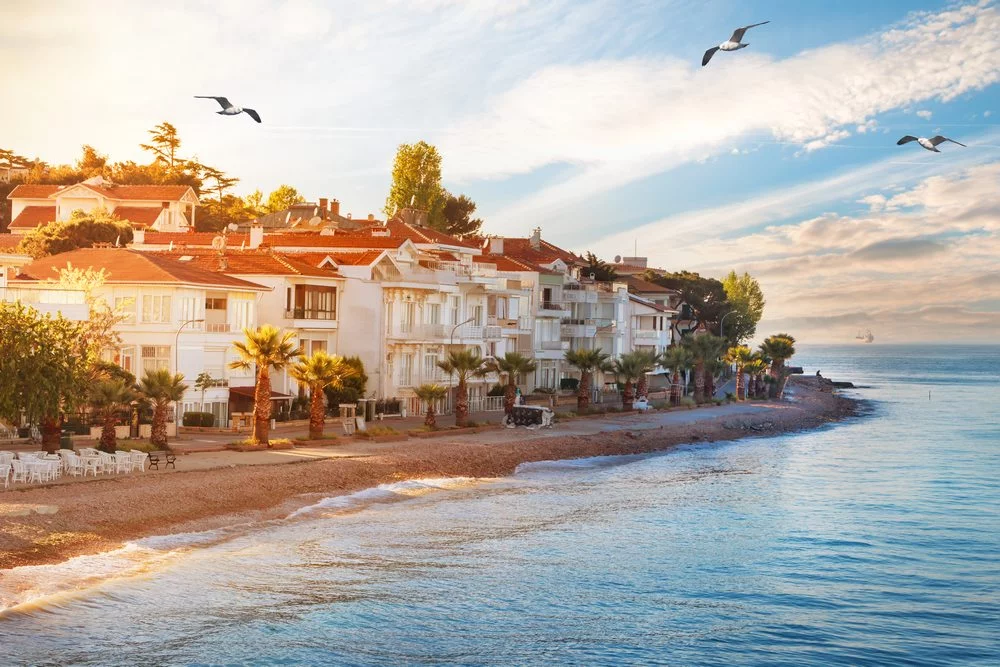
The Princes’ Islands — Where the City Cannot Follow
Nine islands in the Sea of Marmara, reachable by ferry from Istanbul in under an hour, where cars are not permitted and the pace of life has not fundamentally changed in a century. The Princes’ Islands — and particularly Büyükada, the largest of them — are, for the right patient, the most restorative place within reach of Istanbul’s medical facilities.
There are no cars on the islands. Movement is by foot, by bicycle, or by horse-drawn carriage. The streets are lined with grand wooden villas from the Ottoman period, many of them impeccably maintained. The seafront promenades are wide and quiet. The sea is visible from almost everywhere.
The clean air, the silence, the particular quality of light on the water, the absence of the noise and urgency that characterise the mainland — these are not small things for a patient who needs to rest. They are exactly the conditions that the body and the mind require to do their best healing.
The practical consideration is the ferry journey — beautiful, but a commitment of time. For patients with follow-up appointments on the mainland, this requires planning. But for those who have the freedom to spend several days at a slower pace, the islands offer something that Istanbul itself, for all its greatness, cannot quite provide.
On the Princes’ Islands, the city cannot follow you. That is precisely the point.
A Note on Where Not to Recover
Istanbul’s most famous districts — Sultanahmet, Taksim, Sirkeci — are extraordinary places. They contain some of the most significant history in the world, some of the city’s most iconic views, and some of its most vibrant street life.
They are also, during the sensitive days of recovery, the wrong choice.
The crowds in these areas are dense and unpredictable. The noise levels are significant. The streets are uneven and often steep. The pace is relentless. For a patient whose body is healing and whose nervous system needs calm, the stimulation of Istanbul’s most visited districts is not a backdrop — it is a demand. And demands are precisely what a recovery patient does not need.
This is not a criticism of these neighbourhoods. It is simply an honest observation about what recovery requires — and what these places, magnificent as they are, are not designed to provide. Save them for a future trip, when the body is whole and the pace is no longer a medical consideration.
Key Takeaways
| The Bosphorus line between Arnavutköy, Bebek and Yeniköy offers the most consistently excellent combination of walkability, beauty and quality for recovering patients. |
| Nişantaşı is the practical choice for patients who need to remain close to European-side facilities — calm, central and fully equipped. |
| Moda in Kadıköy offers something rare: genuine quiet, waterside living, and a neighbourhood pace that makes recovery feel like rest rather than waiting. |
| Kuzguncuk and Beykoz are for patients who need genuine disconnection — less stimulation, more silence, more nature. |
| The Princes’ Islands are the most restorative option within reach of Istanbul — ideal for longer stays where the ferry journey to appointments is practical. |
| Sultanahmet, Taksim and Sirkeci are magnificent — but not suited to the sensitive days of recovery. Save them for a future visit. |