Recovery is the word that makes most people think of hotel rooms, drawn curtains, and long quiet hours. And there is truth in that image — rest is always part of what healing requires. But recovery in Istanbul is also something else entirely. It is, for many patients, an unexpected discovery.
The days between a procedure and a departure are not dead time. They are not something to be endured before the real experience can begin. In Istanbul, those days have their own texture — their own rhythm, their own pleasures, their own particular quality of being exactly where you need to be.
What follows is an honest account of what recovery days in Istanbul actually look like — not the brochure version, but the real one.
The Rhythm of a Recovery Day
Recovery days in Istanbul do not follow a single template. They depend, first and most importantly, on what procedure the patient has undergone and what their doctor has advised. Some patients are significantly limited in their movement and activity, particularly in the first days after surgery. Others have considerably more freedom. The doctor’s guidance is always the starting point — and it is always specific.
But within whatever boundaries the procedure creates, a recovery day in Istanbul tends to find its own gentle rhythm. It begins slowly. Mornings are unhurried — a long breakfast, a quiet hour with a book, the particular luxury of having nowhere to be at a specific time. The body is healing. It asks for patience, and Istanbul, which operates on its own unhurried timeline, obliges.
As the day progresses, the patient moves according to what feels right. A short walk. A return to the hotel. A longer walk. A café. A viewpoint. A rest. There is no itinerary to follow, no landmarks to tick off, no sense that Istanbul is being missed if the pace is slow. The city reveals itself differently at this pace — more intimately, more quietly, in ways that the rushing tourist never discovers.
By evening, most recovery patients are back at their accommodation. Early dinners. Early nights. The body does its most significant work during sleep, and patients who respect this find that each morning feels measurably better than the last.

What Istanbul Looks Like at a Recovery Pace
There is a version of Istanbul that most visitors never see — because they are moving too quickly to notice it.
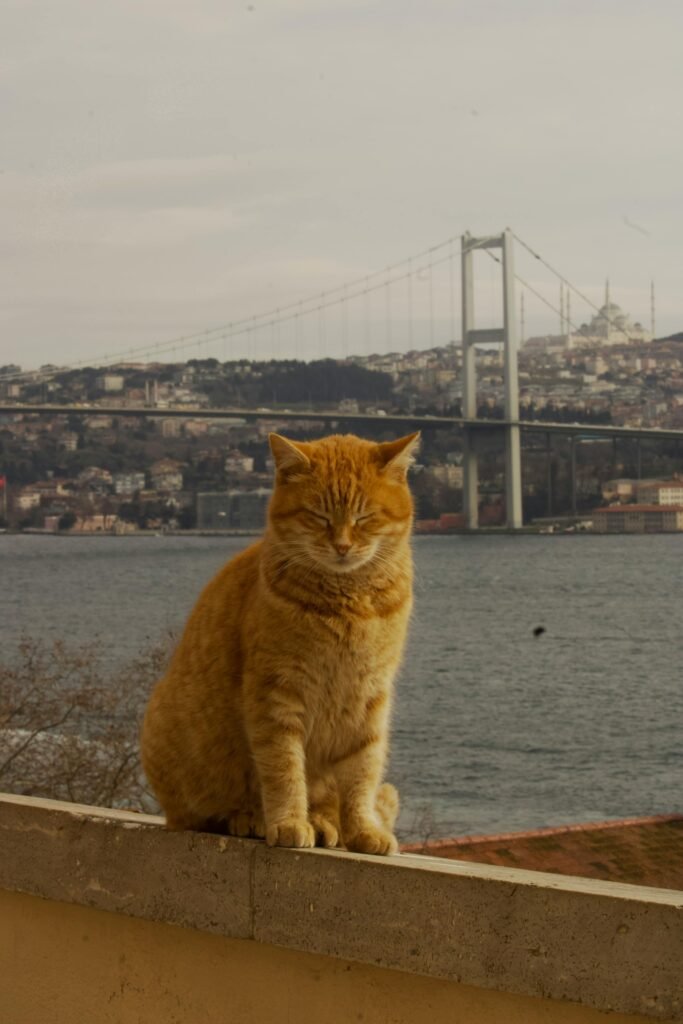
It is the Istanbul of neighbourhood bakeries opening before dawn, their warmth and their smell spilling into streets that are still quiet. The Istanbul of old men playing backgammon in tea houses that have not changed in forty years. The Istanbul of cats — hundreds of them, belonging to everyone and no one, draped across windowsills and warm cobblestones with the supreme confidence of animals who have always known they are welcome here.
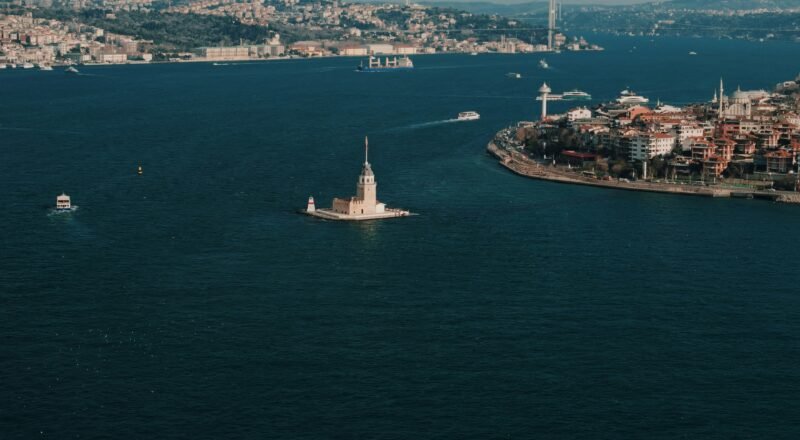
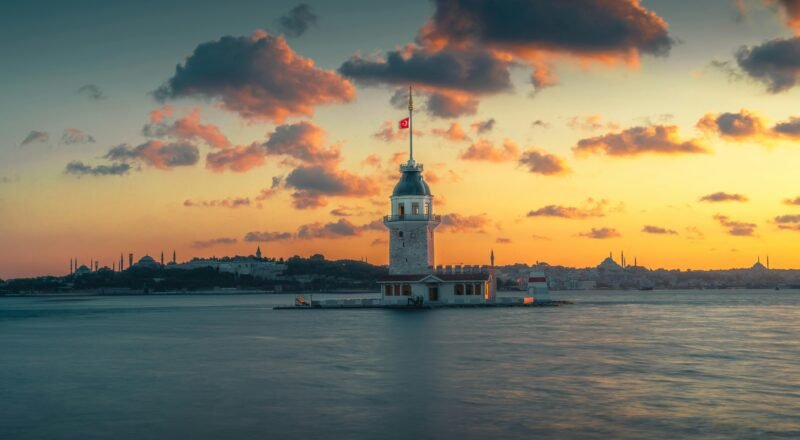
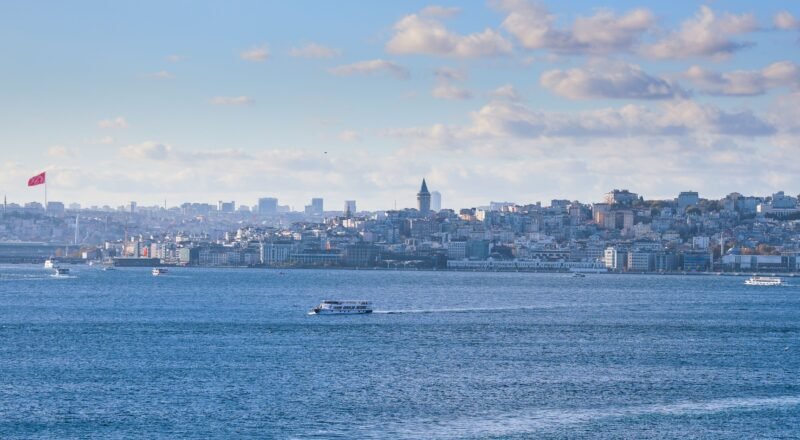
It is the Istanbul visible from a bench on the Bosphorus shoreline, where the water moves constantly and the view changes with the light — pale and silver in the morning, golden and vast in the late afternoon, dark and glittering at night. It is the Istanbul of a side street in Beyoğlu, or a quiet corner of Karaköy, or the sudden opening of a courtyard behind a door that looked like nothing from the outside.
Recovery patients find this Istanbul not because they are looking for it, but because slowing down is the only pace available to them — and at that pace, the city opens up in ways it never does for the visitor with a packed itinerary and three days to cover everything.
The Istanbul that a recovery patient discovers is, in many ways, the real Istanbul. The one that takes time to show itself. The one worth returning to.
The Food — A City That Heals You Through Eating
Turkish cuisine is not a single thing. It is a vast, layered, regionally diverse culinary tradition that has been accumulating depth and complexity for centuries — and Istanbul, as the meeting point of that tradition, offers more variety than most patients expect to find.
For a patient in recovery, this variety matters practically. Different procedures create different dietary requirements. A patient who cannot chew properly needs soft, nourishing options. A patient on a restricted diet needs choices that fit within those restrictions. A patient who simply needs warmth and comfort needs exactly what Turkish cuisine has always done best.
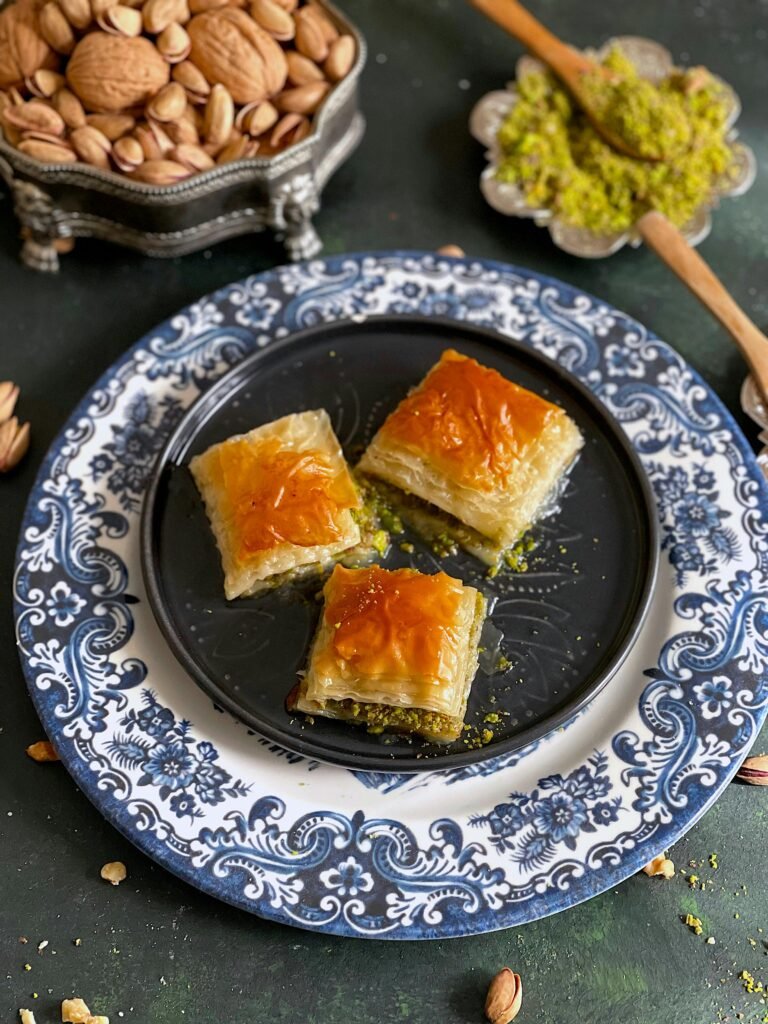
The Turkish breakfast alone — a sprawling, generous, unhurried affair of cheeses, olives, eggs, tomatoes, cucumbers, honey, kaymak, freshly baked bread and tea that never seems to run out — is the kind of meal that makes recovery feel like something other than deprivation. It is the meal that most patients remember mentioning when they describe their trip to friends back home.
Beyond breakfast, Istanbul offers soups that have been associated with restoration for centuries. Grilled fish from the Bosphorus. Slow-cooked lamb dishes. Fresh vegetables prepared with olive oil in ways that are both simple and extraordinary. Mezze spreads that can be assembled into exactly the meal that a particular patient needs on a particular day.
There is something for everyone in Istanbul’s food culture — and for a patient in recovery, that abundance is not incidental. It is part of what makes the experience feel, against all expectation, like a privilege.
The Emotional Landscape of Recovery
Recovery is not only physical. It never is.
A patient who has undergone a medical procedure in a foreign city is navigating something complex. They have made a significant decision about their own body and their own life. They have trusted people they did not know a month ago. They are now in a period of physical vulnerability, in a place that is not home, waiting to see the outcome of something that mattered enough to travel for.
What patients often describe, somewhere in the middle of those recovery days, is a feeling that is difficult to name but immediately recognisable. It is the feeling of having done something meaningful — of having taken a step toward a version of themselves that they wanted to reach. The procedure, whatever it was, was not vanity or weakness or avoidance. It was a decision. And making a meaningful decision and following through on it, on the other side of a long journey, has its own quiet satisfaction.
Istanbul amplifies this feeling. There is something about recovering in one of the world’s great cities — about waking up to a view of the Bosphorus, about eating extraordinary food, about walking through streets that carry four thousand years of human history — that makes the experience feel like more than a medical trip. It feels, to many patients, like a chapter. Like something that will be part of their story in a way that a procedure carried out at home and recovered from on a sofa never quite would have been.
Recovery in Istanbul is the experience of improving your life while being held by one of the world’s most hospitable cities. That combination is rarer than it sounds — and more powerful than most patients expect.
The patients who leave Istanbul after their recovery days are not the same people who arrived with a question in their eyes. They are people who have answered it. And Istanbul, in its unhurried and generous way, helped them do that.
The Practical Side of Recovery Days
Alongside the experience of recovery, there are practical realities that every patient should understand before they travel.
Follow-up appointments are a normal and important part of the post-procedure period. Most providers schedule at least one check-in during the recovery days — sometimes more, depending on the procedure. These appointments are not cause for concern. They are evidence that the care does not end in the operating room.
Patients should plan their recovery days with enough flexibility to accommodate these appointments, and with enough time before departure to ensure that any questions or concerns arising from them can be addressed properly. Leaving Istanbul the morning after a procedure is almost never a good idea. Most providers recommend a minimum number of recovery days, and that recommendation should be taken seriously.
The patient should also know, at all times, who to contact if something feels different or unexpected. This information should be confirmed before the procedure, not looked for afterwards. The best experiences are the ones where the patient never needs to use that contact — but always knows it is there.
Key Takeaways
| Recovery days in Istanbul follow a gentle rhythm that the city itself seems designed for — unhurried, warm, and full of quiet discovery. |
| The Istanbul that a recovery patient discovers — at a slow pace, without an itinerary — is often the most memorable version of the city. |
| Turkish cuisine, with its extraordinary variety and depth, provides something genuinely nourishing for patients with almost any dietary requirement. |
| Recovery is not only physical. The emotional experience of improving your life while being held by Istanbul’s hospitality is something patients consistently describe as unexpected and profound. |
| Follow-up appointments are a normal and important part of recovery — plan your departure date to allow proper time for them. |
| Always know who to contact if something feels unexpected. The best support is the kind you never need to use — but always know is there. |