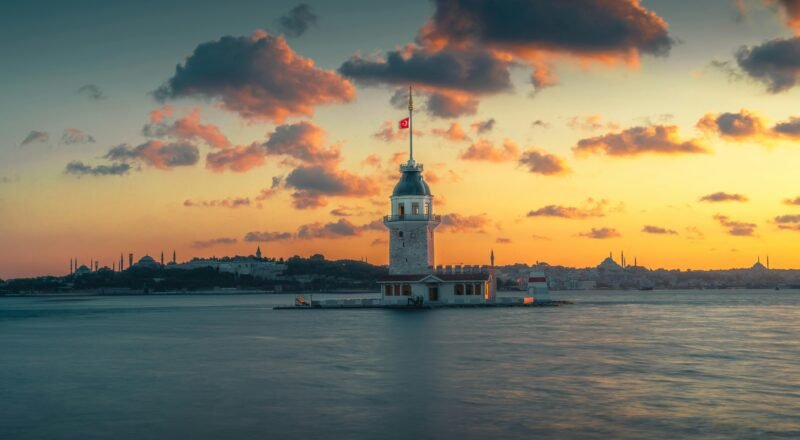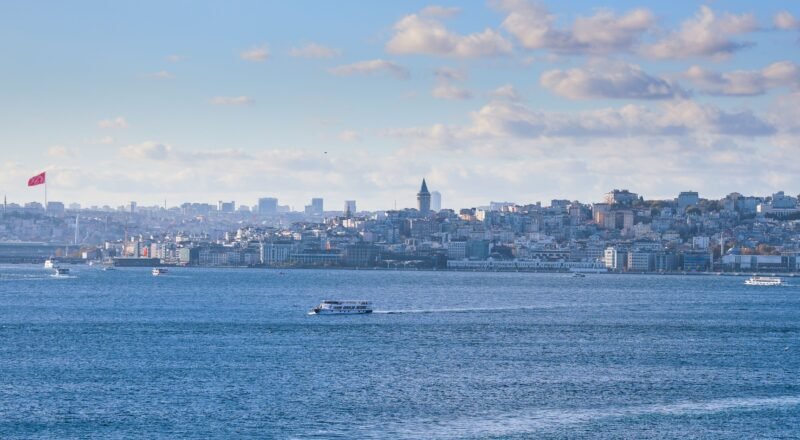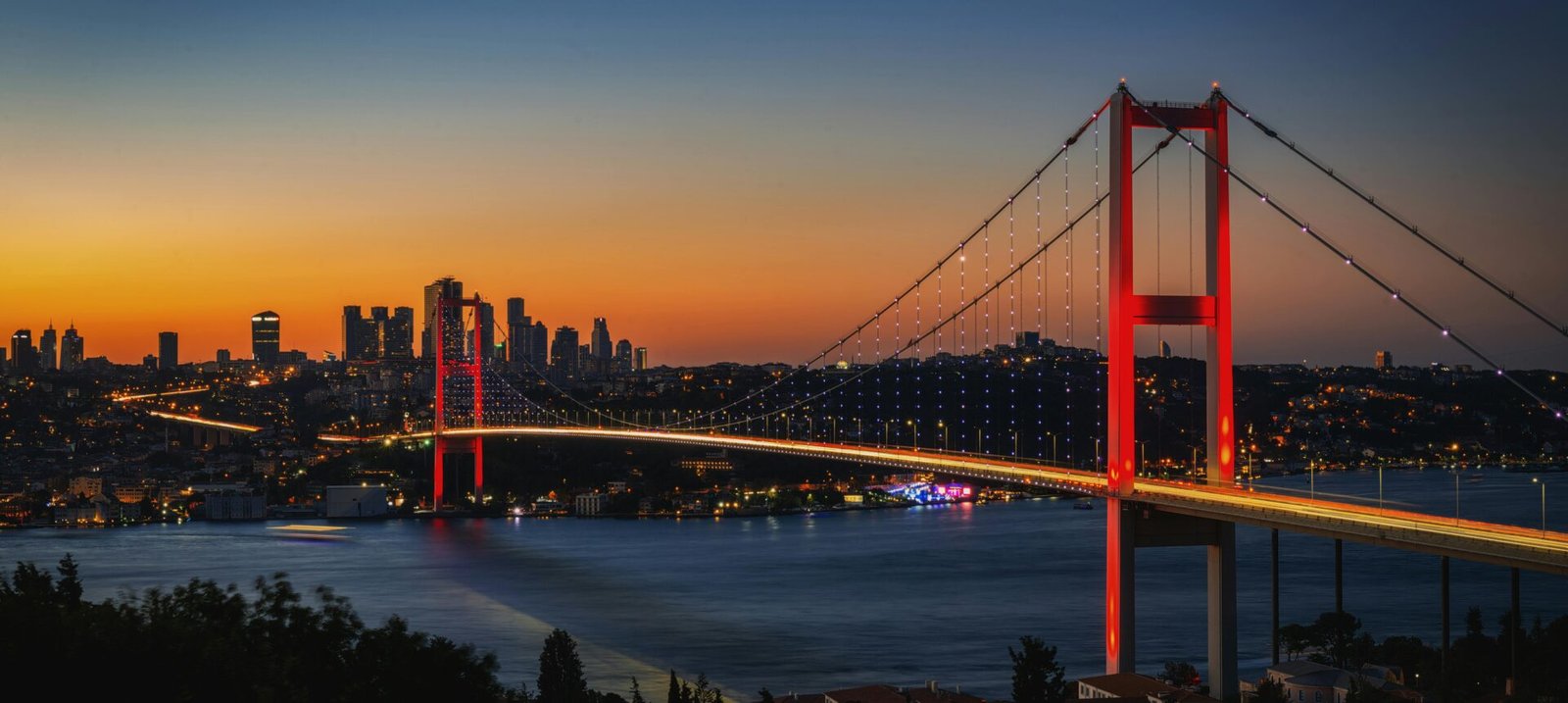
Every few years, a city earns a reputation that travel guides struggle to keep up with. Paris for fashion. Copenhagen for food. Medellín for reinvention. Over the past decade, Istanbul has earned one that surprises many people the first time they hear it: medical travel.
Not just dental work or cosmetic procedures — though Istanbul leads the world in both. We are talking about a city that now receives over a million international patients every year, for treatments ranging from hair transplants and rhinoplasties to complex oncology care and orthopaedic surgery. Patients arrive from the UK, Germany, Spain, the Gulf, Latin America, and increasingly from the United States — all making the same calculation and reaching the same conclusion.
Istanbul is not a medical travel destination by accident. It got here through decades of investment, an extraordinary concentration of surgical talent, and a combination of factors that no single competing city has managed to replicate at the same time.
But here is the thing most articles about this topic miss: it is not just the medicine that brings people back. It is everything around it.
The Price Question — And Why It’s Only the Beginning
Price is usually the first thing people mention, and it is a legitimate starting point. A hair transplant that costs between eight and fifteen thousand dollars in the United States or Western Europe can be performed in Istanbul by a highly experienced surgeon for a fraction of that — including flights, accommodation, and aftercare.
The same pattern holds across procedures. Dental implants. Rhinoplasty. Bariatric surgery. Eye correction. The cost differential is not marginal — it is often sixty to eighty percent less than equivalent care in Northern Europe or North America.
But framing Istanbul purely as a budget option misunderstands what is actually happening here. The price is lower not because the quality is lower. It is lower because of economics — the cost of running a clinic in Istanbul, the salaries of supporting staff, the cost of living — these are simply different to London or New York. The surgeon’s skill, the equipment, the facility standards — these have been converging with the best in the world for years.
The cost of a procedure in Istanbul is lower. The cost of a great experience in Istanbul is extraordinary value. These are two different conversations — and both happen to favour the patient.
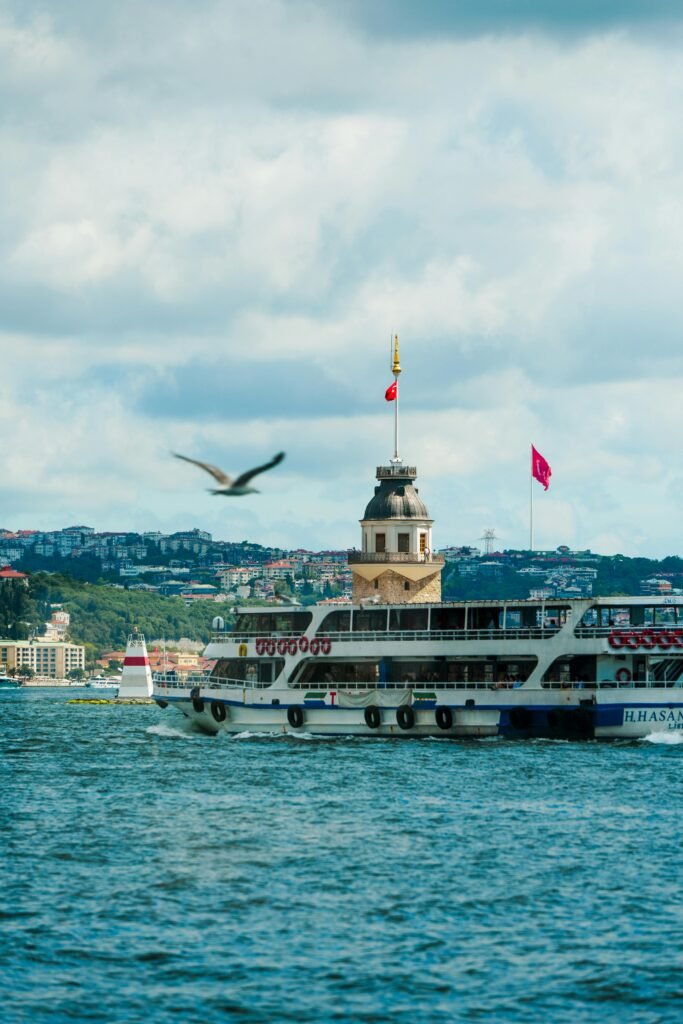
Practice Makes Perfect — The Experience Advantage
There is a less discussed reason why Istanbul’s surgeons have become genuinely world-class, and it is the most straightforward one: volume.
A hair transplant surgeon in a mid-sized European city might perform a few hundred procedures a year. Their counterpart in Istanbul, working in one of the city’s high-volume specialist clinics, may perform several times that number. The accumulation of experience — the thousands of cases, the edge cases, the complications managed and learned from — creates a level of procedural mastery that is simply difficult to replicate elsewhere.
This is not a criticism of surgeons elsewhere. It is an observation about what happens when a city becomes the global centre of gravity for a specific field. Istanbul’s leading hair transplant surgeons, cosmetic surgeons, and dental specialists have operated on patients from dozens of countries, with different hair types, different bone structures, different healing profiles. That breadth of experience shows in outcomes.
And the competition between clinics — which is fierce — drives quality upward. The clinics that survive are the ones that deliver consistently excellent results, because in the age of online reviews and patient communities, a poor outcome travels fast.
The Infrastructure Behind the Reputation
Istanbul’s rise as a medical travel destination was not entirely organic. The Turkish government identified health tourism as a strategic priority over a decade ago, and the investment has been systematic.
Türkiye is now home to more JCI-accredited hospitals — the international gold standard for healthcare quality — than almost any country in the world outside the United States. The clinics serving international patients are, in many cases, equipped to a standard that rivals or exceeds what patients would find at home. Modern imaging technology, internationally trained staff, multilingual patient coordinators, dedicated international patient departments — these are not luxuries in Istanbul’s leading health facilities. They are the baseline.
The government’s support also means that health tourism is one of the few sectors in Turkish tourism with coordinated national promotion behind it. This is not a grassroots industry that grew despite the system. It grew because of it.
What You Actually Experience — The Part Nobody Writes About
Here is where the standard articles about medical travel in Türkiye tend to stop. They cover the price. They mention the accreditations. They list the procedures. And then they move on, as if the patient’s experience begins and ends in the operating room.
It doesn’t.
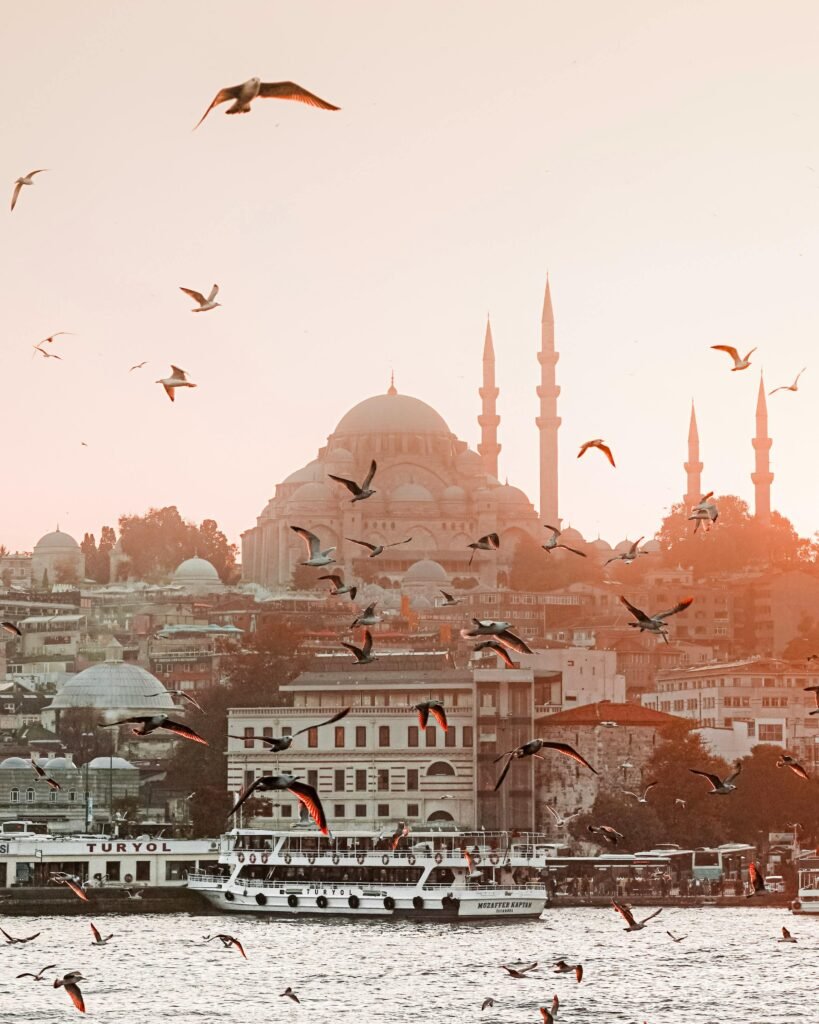
What many patients discover — often to their surprise — is that Istanbul wraps around the medical journey in a way that very few cities in the world could manage. You are not travelling to a medical facility in an unfamiliar city and hoping for the best. You are arriving in one of the world’s great cities, with a hospitality infrastructure built for millions of international visitors, a food culture that makes recovery genuinely enjoyable, and a warmth in the local character that turns a stressful experience into something closer to a meaningful trip.
The Bosphorus does not know you have just had surgery. It is still one of the most beautiful things you will ever see from a hotel window. The neighbourhood bakery does not know you are recovering. The bread is still extraordinary. Istanbul continues — and you recover inside it.
Many patients arrive for a procedure and leave with something they did not expect: a genuine connection to a city they plan to return to.
Beyond Istanbul — Türkiye as a Recovery Destination
Something that increasingly distinguishes Istanbul’s medical travel offer is what surrounds it geographically. Türkiye is a remarkably diverse country, and patients who plan their trip with some flexibility often combine their medical visit with experiences that would be difficult to find anywhere else.
Cappadocia, with its extraordinary landscape and tranquil pace, is a natural recovery destination for patients who need rest and low activity. The southern coast — Bodrum, Antalya, Fethiye — offers warmth, sea, and the kind of slow days that healing requires. Pamukkale’s thermal waters have been associated with recovery for centuries. Izmir offers a relaxed Mediterranean city experience that feels entirely different from Istanbul’s intensity.
Patients who arrive thinking of this purely as a medical trip sometimes leave having experienced more of Türkiye than some tourists who come for the country specifically. That possibility — the combination of world-class care with genuine travel — is unique to very few destinations in the world. Istanbul is one of them.

What to Know Before You Decide
Understanding why Istanbul became a medical travel capital is useful context. But the more important question for anyone considering making the trip is what separates a genuinely great experience from a disappointing one.
The quality variance between clinics and providers in Istanbul is significant. The best are exceptional. Others are not. Price alone is a poor guide — some of the most expensive providers are not the best, and some of the best represent extraordinary value. The difference is almost always in the details: how the consultation is handled, how questions are answered before you travel, what the aftercare protocol looks like, and whether the people around you during recovery actually understand what an international patient needs.
That is the gap Care & Stay exists to close. Not to recommend or rank clinics for commercial reasons, but to give patients the honest, insider perspective that helps them ask the right questions — before they decide, not after.
A Final Thought
Istanbul did not become a medical travel capital because it got lucky. It got here through genuine surgical excellence, serious infrastructure investment, extraordinary value, and the kind of city experience that makes a difficult journey feel, at its best, like something worth doing.
The patients who have the best experiences are not the ones who came purely for the lowest price. They are the ones who came informed — who understood what they were choosing and why, who asked the right questions before they arrived, and who gave themselves enough time to experience the city properly.
That is what this platform is here to help you do.
Key Takeaways
| Istanbul receives over one million international medical patients annually — a number that continues to grow. |
| The price advantage is real, but it reflects economic differences — not a compromise in quality. |
| Volume creates mastery. Istanbul’s leading surgeons have levels of procedural experience that are difficult to match elsewhere. |
| Türkiye has more JCI-accredited hospitals than almost any country outside the United States. |
| The experience extends beyond the clinic — Istanbul is a world-class city that makes recovery genuinely enjoyable. |
| Quality variance between providers is significant. Choosing well matters enormously. |